

Quick answer
St Thomas offers excellent snorkeling conditions, with fringing reefs and protected bays delivering consistent visibility between 60 and 100 feet depending on weather and season. Calm-water sites like Coki Point and Sapphire Beach provide easy shore access to coral formations and diverse marine life, while Magens Bay and Secret Harbor offer sheltered conditions suitable for beginners and families. Water clarity peaks during the dry season from December through May, though snorkeling remains viable year-round.
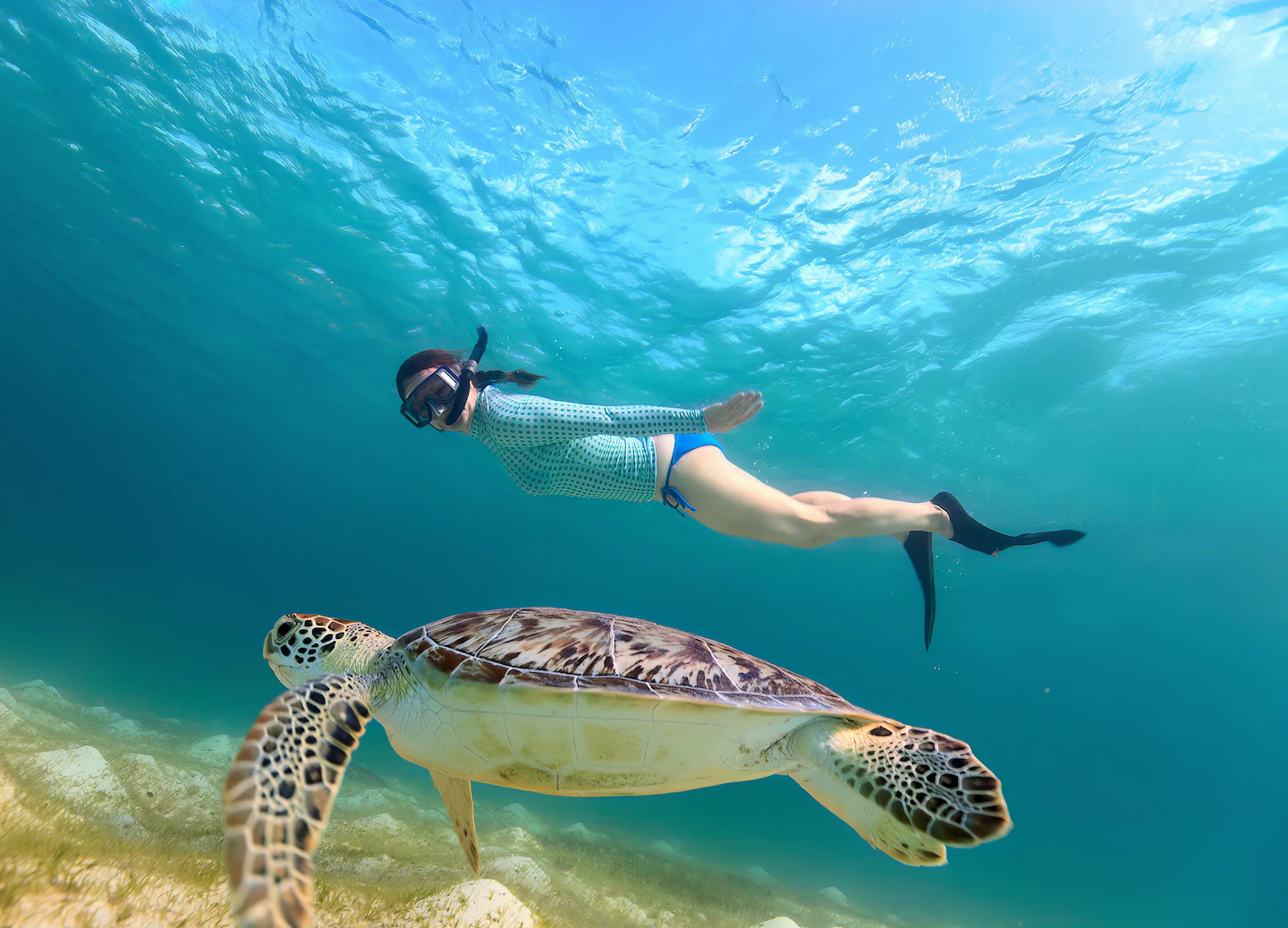
St Thomas claims 33 named beaches, and nearly half of them front reef systems shallow enough to explore with mask and fins. The island's volcanic origin created a submerged topography of ledges, boulder fields, and coral-encrusted walls that drop from shore to depths of 30 to 60 feet—close enough to see detail without a tank. Visibility depends on wind direction and seasonal rainfall. Trade winds from the northeast push surface chop and plankton blooms toward the south shore between June and November, reducing clarity to 40 or 50 feet on rougher days. The north coast, by contrast, remains sheltered during those months, and sites like Magens Bay—a mile-long crescent with minimal wave action—hold clarity near 80 feet even in summer. The dry months reverse the pattern: calmer seas open the south and east coasts, where reefs at Sapphire Beach and Secret Harbor host green sea turtles, spotted eagle rays, and dense populations of sergeant majors, parrotfish, and blue tangs. Does St Thomas have good snorkeling when compared to other Caribbean islands? It ranks among the top tier. The U.S. Virgin Islands National Park protects much of the surrounding seabed, limiting anchor damage and overfishing. Elkhorn and staghorn corals—species listed as threatened in many regions—still form thickets in shallow zones here, and sponge gardens colonize the deeper ledges. Water temperature never drops below 78°F, so wetsuits are optional, and the lack of river runoff keeps salinity stable and algae growth in check. Shore snorkeling eliminates the need for a boat charter. Coki Point, a five-minute walk from the parking lot, places you over reef within 20 yards of the beach. Hull Bay on the north shore offers calmer entry points during the summer swell season, and the reef at Lindquist Beach remains accessible even when southern sites turn murky. A seven-dollar entrance fee at Magens Bay buys access to protected shallows where stingrays forage in the sand flats and sergeant majors school around the pier pilings.
“The island's volcanic topography created submerged ledges and coral walls that drop from shore to 60 feet—close enough to explore without a tank.”
Does St. Thomas Have Good Snorkeling? Top Spots to Explore
St. Thomas offers diverse snorkeling opportunities ranging from shallow bays teeming with juvenile fish to offshore reefs hosting larger marine species. Water clarity remains high across these varied environments, providing visibility for observing coral formations and reef inhabitants.
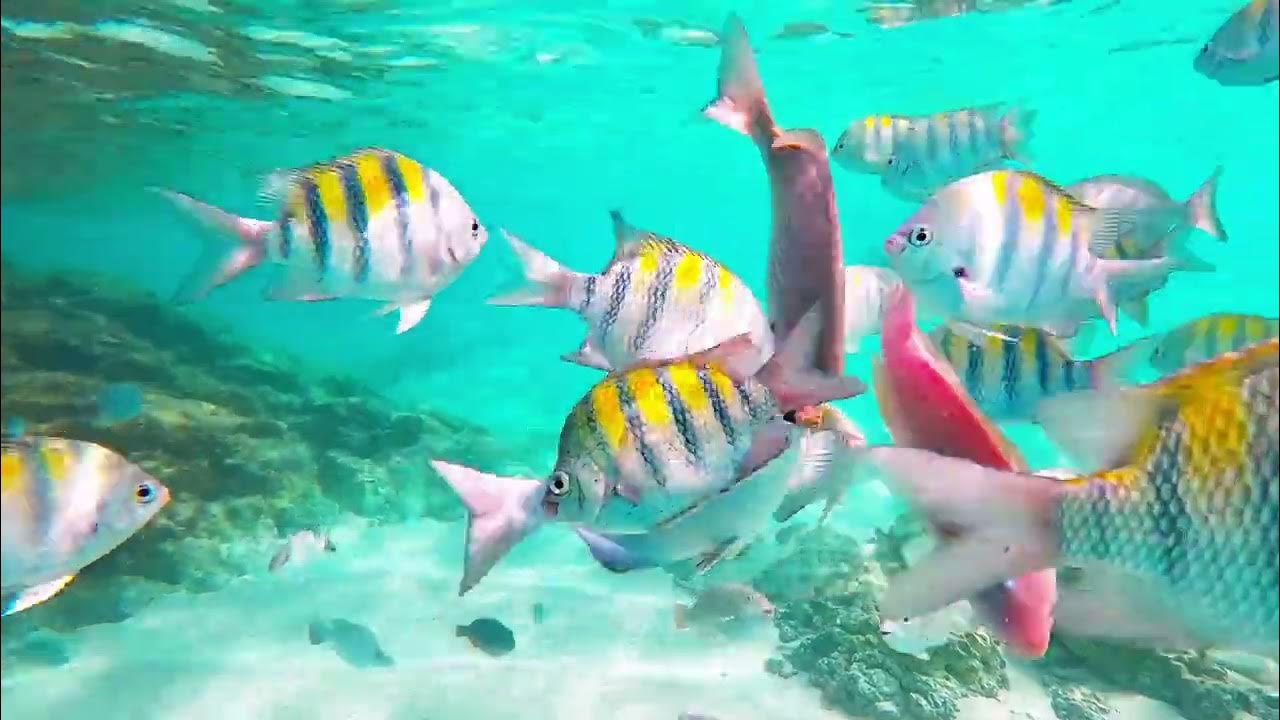
Coki Point Beach
Known for its exceptionally clear water and proximity to a fringing reef where schools of tropical fish congregate near the shore.
Swim toward the rocky outcrops for higher fish density.
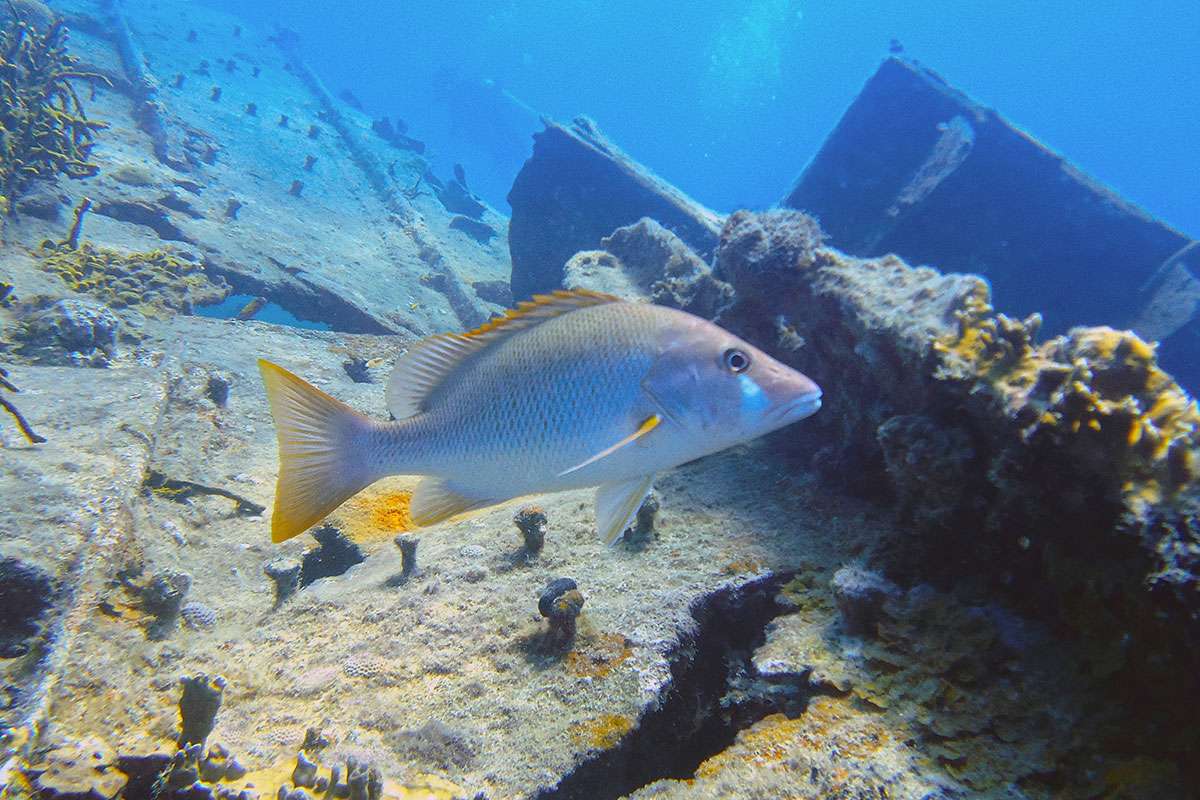
Buck Island National Wildlife Refuge
This protected area features a shallow shipwreck, the Cartanser Senior, providing an artificial reef habitat for various coral species and sea turtles.
Look for turtles near the deeper sections of the wreck.
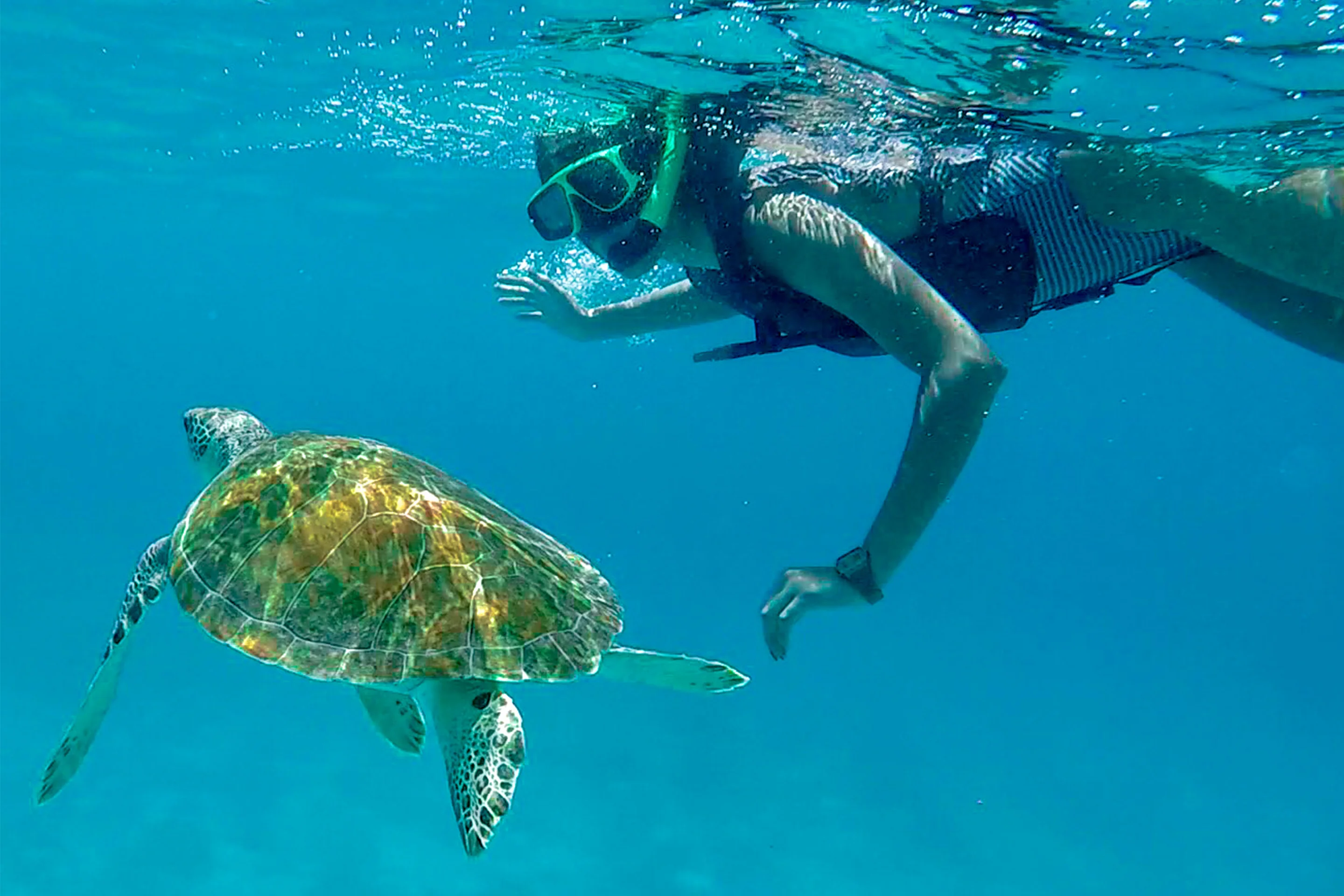
Secret Harbor
A protected bay with calm waters, making it suitable for observing stingrays and eagle rays in the seagrass beds.
Scan the sandy floor in the morning hours.
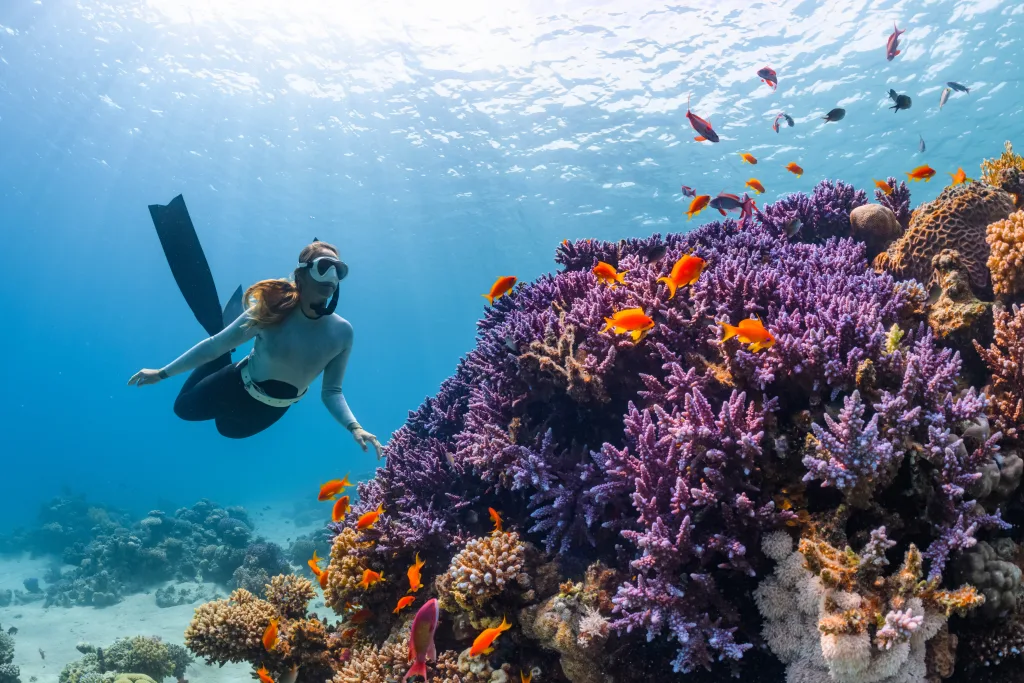
Sapphire Beach
This location features a vibrant coral reef stretching along the shoreline with opportunities to spot blue tangs and parrotfish.
Snorkel along the eastern edge near the marina docks.
Does St. Thomas Have Good Snorkeling? Essential Prep Checklist
Pack smart and follow these essentials to protect yourself and the reef.
-
Bring reef-safe sunscreen — Chemical sunscreens damage coral; choose mineral-based options.
-
Pack or rent snorkel gear — Quality masks and fins improve comfort and safety in the water.
-
Wear a rash guard or wetsuit — Provides sun protection and prevents stings from jellyfish.
-
Check current conditions before entering — Strong currents can appear quickly; assess water safety first.
-
Never touch or stand on coral — Contact damages fragile reefs and can cause painful cuts.
-
Secure waterproof storage for valuables — Protect phones, keys, and cash while you're in the water.
-
Arrive during the best window (07:00–10:00) — Beat cruise ship crowds and claim a good entry spot.
Entrance Fees for Does St. Thomas Have Good Snorkeling Access Points
Access costs for snorkeling locations in St. Thomas vary depending on whether the beach is a managed park or public land. While many beaches are accessible at no cost, Magens Bay maintains an official entrance fee for visitors.
A typical adult visitor pays 7 USD to access Magens Bay, while most other public snorkeling beaches on the island remain free to enter.
Operating Hours for Does St. Thomas Have Good Snorkeling Destinations
Magens Bay operates on a consistent schedule throughout the week to provide access to its snorkeling waters. The park remains open daily from morning until late afternoon.
| Monday | 07:00–17:30 | |
|---|---|---|
| Tuesday | 07:00–17:30 | |
| Wednesday | 07:00–17:30 | |
| Thursday | 07:00–17:30 | |
| Friday | 07:00–17:30 | |
| Saturday | 07:00–17:30 | |
| Sunday | 07:00–17:30 |
Check availability
Common questions about snorkeling in St. Thomas
Everything you need to know about does st thomas have good snorkeling