

Quick answer
The best st thomas snorkeling beaches include Coki Beach for reef proximity and fish density, Sapphire Beach for calm water and sea turtle sightings, Secret Harbour for sheltered coves with coral outcrops, and Lindquist Beach for undeveloped shoreline and fewer crowds. Magens Bay charges a $7 entrance fee for non-residents and opens daily at 07:00; most other snorkeling beaches are free-access public shores. Arrive between 07:00 and 10:00 to beat cruise passengers and secure parking at popular sites.
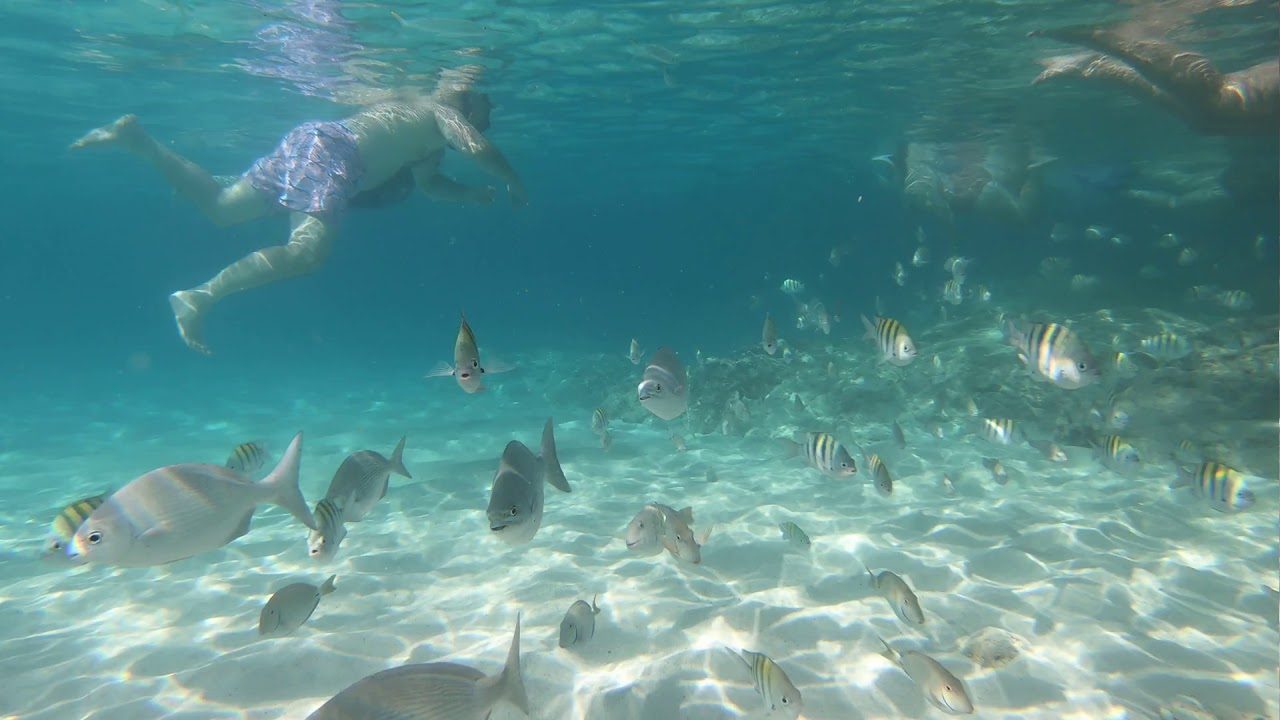
Coki Beach sits next to Coral World Ocean Park on the island's northeastern edge, where the reef begins less than 20 yards from shore. The shallow shelf drops to 12 feet over healthy hard coral, and parrotfish, sergeant majors and blue tang circle snorkelers throughout the day. Parking fills by mid-morning when cruise ships dock, but the early window offers calm surface conditions and better underwater visibility. Sapphire Beach stretches along a crescent bay on the east end, protected by offshore reef structure that dampens wave energy. The sandy bottom transitions to scattered coral heads 30 yards out, and green sea turtles graze on seagrass beds near the southern point. Coki Point Dive Shop operates from the northern end, where deeper reef sections attract spotted eagle rays and occasional nurse sharks. The beach maintains public access with free parking, restrooms and a small beach bar. Secret Harbour on the southeast coast offers two snorkeling zones: a shallow inner bay with patch reefs suitable for beginners, and a rockier outer point where the reef wall drops to 40 feet. Elkhorn coral fragments and brain coral formations shelter juvenile angelfish, damselfish and chromis. The protected cove rarely sees strong currents, making it a reliable option even when north swells close other sites. Private villas line the shore, but a public access path near Aqua Action Dive Center leads directly to the sand. Lindquist Beach occupies Smith Bay Park on the northeastern tip, a half-mile walk from the parking area through coastal vegetation. The effort filters day-trippers, leaving a quiet shoreline where the reef arc mirrors the beach curve. Visibility exceeds 60 feet on calm days, and the coral structure remains largely intact compared to busier sites. St Thomas snorkeling beaches vary in entry difficulty and reef health, but the island's underwater topography consistently delivers clear Caribbean water, year-round warm temperatures and accessible marine ecosystems within swimming distance of shore.
“Coki Beach's reef begins less than 20 yards from shore, where hard coral shelves drop to 12 feet and parrotfish circle snorkelers throughout the day.”
Best Time to Visit St. Thomas Snorkeling Beaches
The best arrival window is 07:00–10:00 to beat cruise ship crowds and secure parking at popular snorkeling spots. Planning your visit during these early hours ensures a quieter experience before the arrival of daily excursions.
Weekday mornings
Minimal—
Fewer cruise ship visitors arrive, leaving more space for snorkeling.
December to April
PeakDry, 75°F to 85°F
Expect larger crowds and higher demand for beach parking.
May to November
ModerateHumid, 80°F to 90°F
Increased chance of rain, though snorkeling conditions remain consistent.
Verdict: The optimal time to visit is weekday mornings between 07:00 and 10:00 during the months of April or October.
Entrance Fees for St. Thomas Snorkeling Beaches
Most beaches in St. Thomas are public and free to access. Magens Bay is the primary exception, requiring an entrance fee for non-residents.
A typical adult visitor pays 7 USD to enter Magens Bay, while all other snorkeling beaches on the island remain free of charge.
Top St. Thomas Snorkeling Beaches to Explore
St. Thomas offers diverse underwater environments ranging from protected bays with calm waters to rocky reefs teeming with marine life. Choosing the right beach depends on your interest in coral formations, seagrass beds, or turtle sightings.
Coki Point Beach
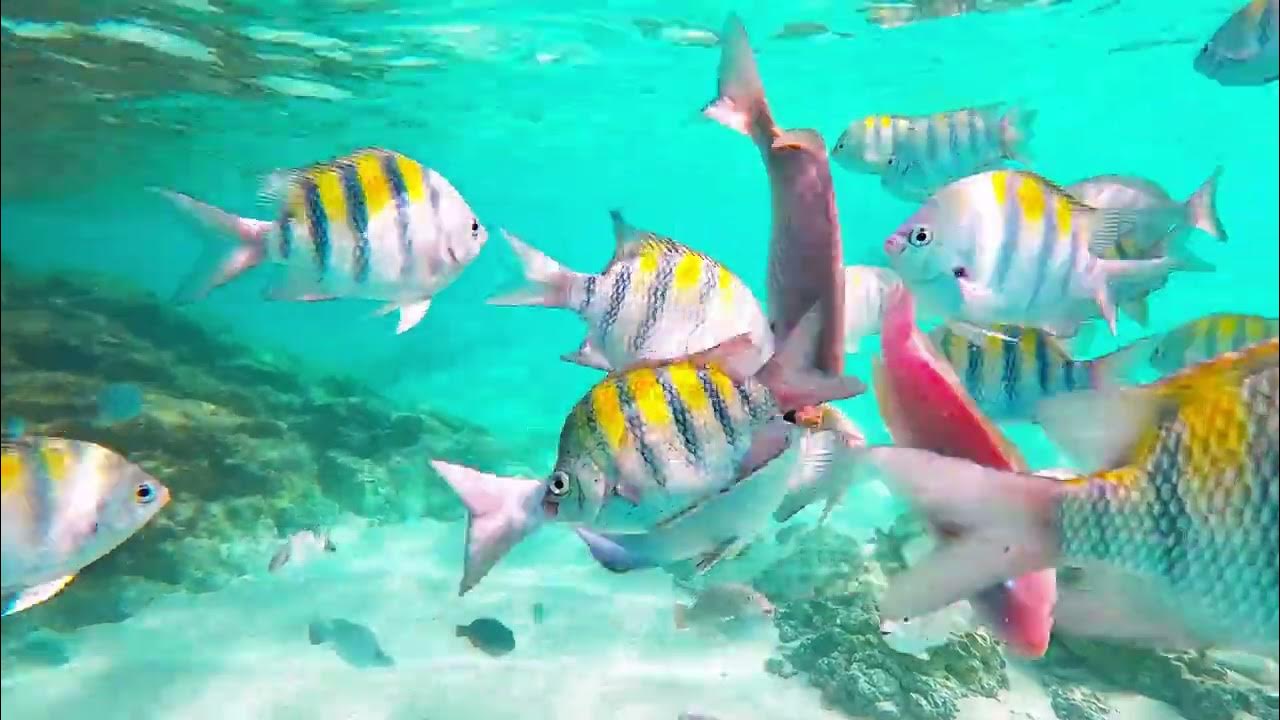
This beach features clear, shallow water and a high density of tropical fish near the rocky edges. It is a frequent spot for those seeking high visibility and easy access to marine life.
Swim along the eastern rocks for the highest fish concentration.
Brewers Bay
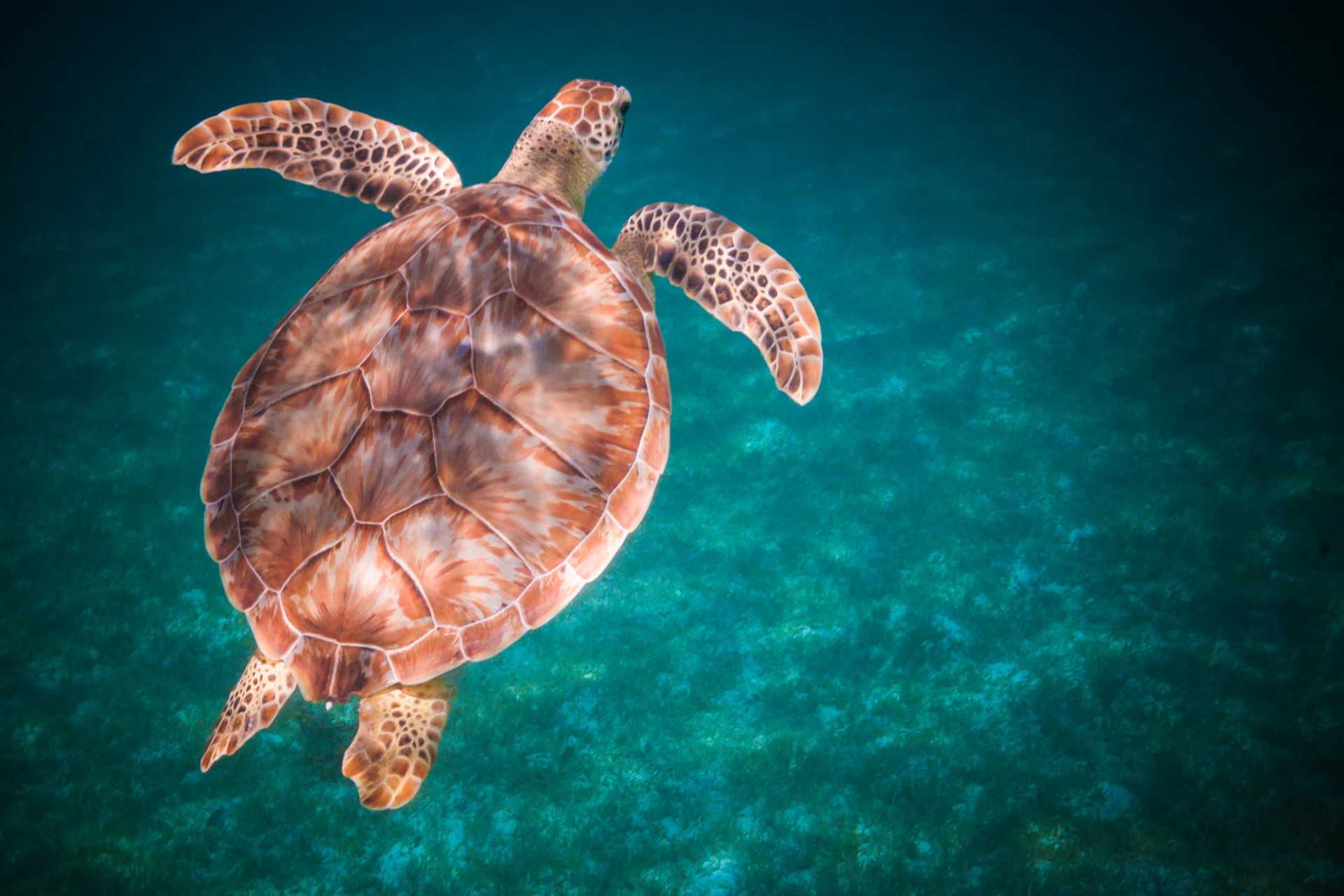
Known for its expansive seagrass beds, this location is the primary habitat for green sea turtles. The water remains shallow for a significant distance from the shore.
Look for turtles grazing in the seagrass during mid-morning.
Magens Bay
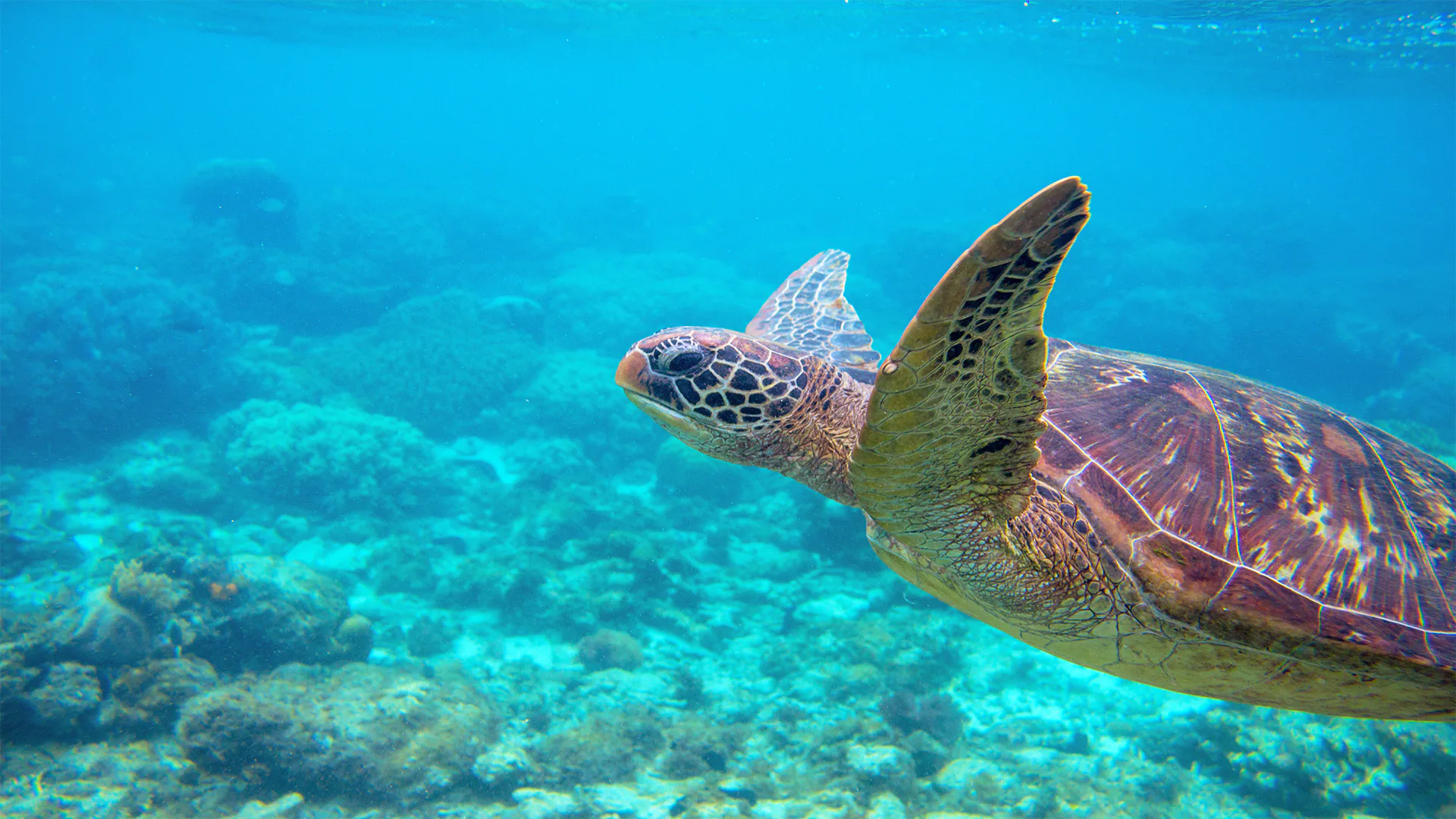
This sheltered bay offers calm, sandy-bottom conditions that are ideal for beginners and families. The edges of the bay near the rocky outcroppings provide the most consistent snorkeling opportunities.
Explore the northern rock formations near the tree line.
Secret Harbour
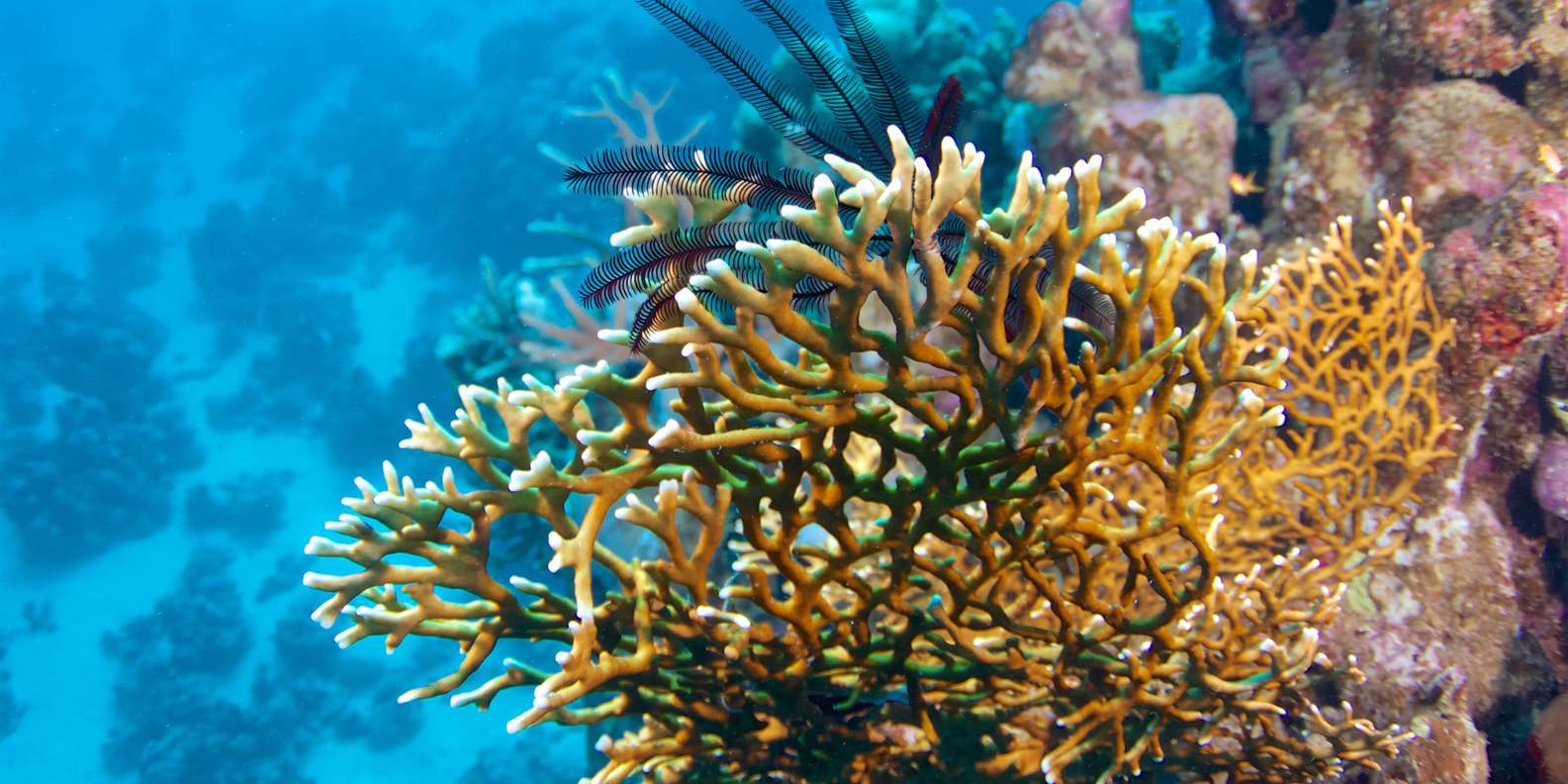
Located on the island's east end, this protected cove features a fringing reef that supports diverse coral and juvenile reef fish. It provides a quieter experience compared to the larger public beaches.
Follow the dock pilings to observe small reef inhabitants.
Essential Gear and Prep for St. Thomas Snorkeling Beaches
Independent snorkeling at St. Thomas beaches requires minimal gear but careful preparation for safe ocean conditions.
-
Bring or rent mask, snorkel, and fins — Quality gear ensures comfort and efficient movement through currents.
-
Pack reef-safe sunscreen (mineral-based) — Chemical sunscreens damage coral; mineral formulas protect both you and the ecosystem.
-
Wear a rash guard or wetsuit — Provides sun protection and warmth in deeper water without reapplying sunscreen.
-
Carry a mesh bag for equipment — Allows wet gear to drain and dry between snorkeling sessions.
-
Check surf and wind forecasts — Calm conditions (mornings typically best) offer safer visibility and easier entry.
-
Snorkel with a buddy — Never snorkel alone—currents and fatigue pose real risks in open water.
-
Bring drinking water and snacks — No facilities at remote beaches; hydration prevents cramping during extended sessions.